
A mortgage is a type of long-term loan that is aimed to assist buyers in the process of purchasing a home. You are required to make interest payments to the lender and principal payments you have already made. The house and all the surrounding property are used as collateral. But if you want to buy a house, you need to know a lot more information than just these broad guidelines. This idea is also applicable in other contexts, including business, particularly regarding fixed expenses and shutdown points.
Paying down your mortgage may begin after you fully grasp how much each payment will be.
When You Owe Money
The first mortgage payment is due at the end of the first full month after the closing date on your mortgage loan. If you close on June 9th, the interest you would have incurred through the end of the month would be covered by your closing expenses. Following that, on August 1st, you'll need to send in your payment for July. In addition to the standard monthly installment, certain mortgages allow biweekly payments to be made instead. Your payment will be reduced by switching to a biweekly schedule, potentially making it more reasonable.
Payment Instructions
Mortgages may be paid online, much like vehicle insurance or phone bills. Although we still accept payments through mail and telephone, most homeowners prefer the convenience of online payment. Setting up automatic payments with your bank or lender is a contributing factor.

The mortgage payment schedule is subject to change. Taxes and insurance premiums are not guaranteed to stay the same amount yearly. The same holds if your fixed-rate mortgage is about to expire and you have an ARM. Setting up an automated payment through a lender rather than a bank allows you to avoid underpayment and overpayment when your escrow balance or interest rate decreases.
Additional Payments
Savings of thousands of dollars or more in the long term may be possible if you can afford to make extra principal payments. You can minimize the total interest and pay off your mortgage early if you pay a little extra each month or make extra payments throughout the year. Pay more than the minimum on your mortgage each month if doing so will help you achieve your primary aim of increasing your equity or decreasing your interest rate. Be sure there isn't a prepayment penalty for your loan by contacting your lender first.
Taking Out Pmi
Whenever the LTV of a house drops to 80% or less, private mortgage insurance (PMI) is often no longer necessary. Loan-to-value ratio (LTV) is the ratio of the loan amount to the home's appraised worth. It is the ratio between the borrowed amount and the home's value, given as a percentage. By the payment plan established at closing, PMI must be canceled whenever the LTV of the mortgaged property falls below 78%.
Paying Late or Not at All
You won't incur any fees if you're just a few days late on your mortgage payment. Most loan companies will give customers a certain amount of time after their payment is due before charging late fees. You should confirm this with your lender to be sure, but typically you have 15 days to make a late payment.
If you are likely to need to arrive on time for a mortgage payment, notify your lender immediately. Take care of the problem immediately to avoid defaulting on your loan. Failure to make a payment on time can have serious repercussions, such as the accrual of late fees and penalties and a subsequent decline in your credit score, which must be restored before you can qualify for future loans.
You may face legal action and even foreclosure if you cannot keep up with your payments. The mortgage lender may give you many choices to assist you in getting current again.
Mortgage Insurance: What Is It?
Two different types of insurance are included in a mortgage payment. Property insurance is the earliest type of insurance, and it safeguards a person's house and its contents from various potential risks, including those posed by man and nature. If you made less than a 20% down payment on your property, you'd need to pay private mortgage insurance (PMI) to safeguard the lender against the risk of default.
Bottom Line
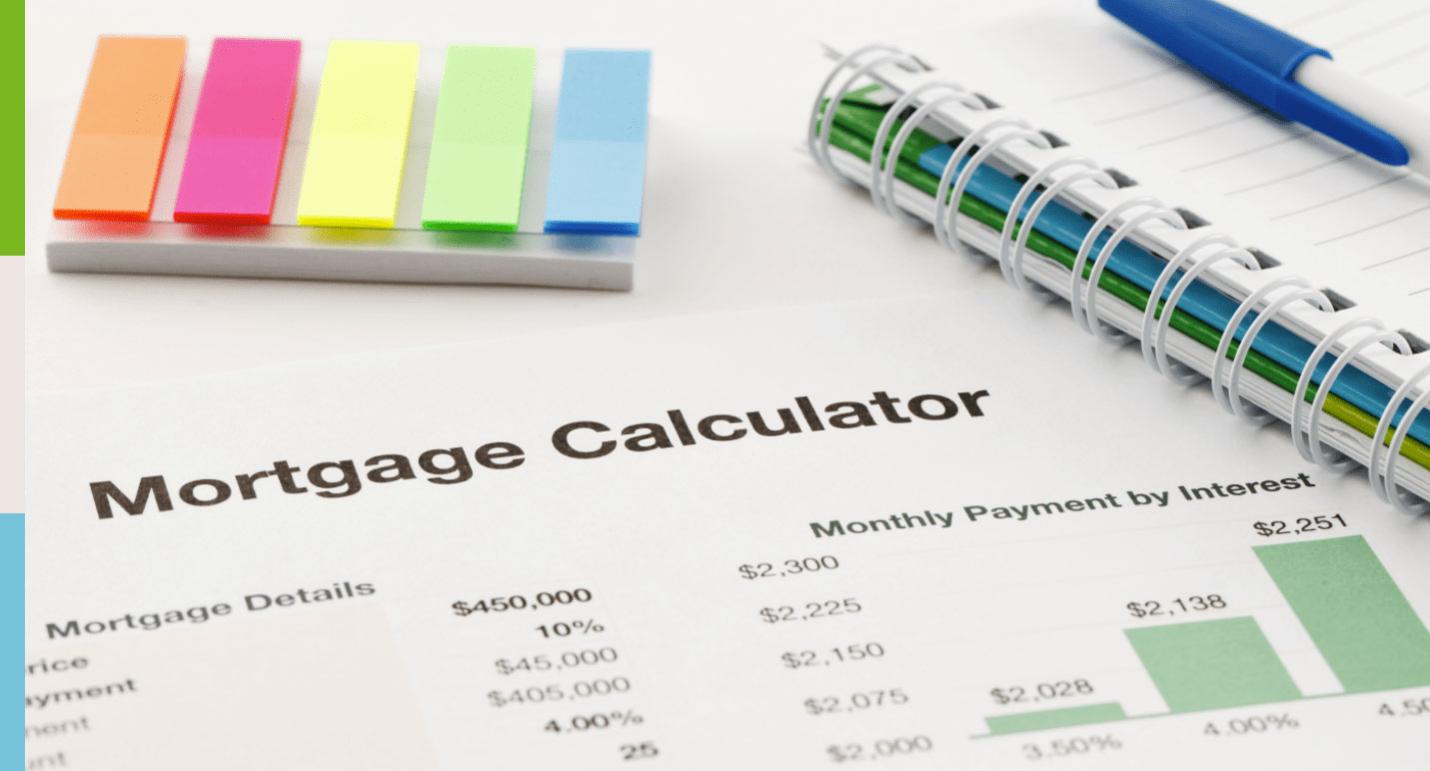
You may become a homeowner without saving much money for a down payment by using a mortgage. Mortgage payments include not just the principal (the amount you borrowed) but also interest, taxes, and insurance, so it's crucial to know what to expect before signing the dotted line. Use this calculator to determine how much you can afford to borrow and how long it will take to pay off your mortgage.